
Feed for herbivores in zoos, reserves and sanctuaries
Conservation
Why animals need supplemental feeding
In zoos, wildlife reserves and sanctuaries, access to natural grazing and browse isn’t always guaranteed. Limited ranges, seasonal changes and the different dietary needs of species can make consistent feeding a challenge. BOSKOS offers feeding options for grazing and browsing herbivores that can form part of carefully managed, species-appropriate feeding programmes.
Reduced ranges. Changing feed needs. For thousands of years, herbivores have moved freely across the savannah, feeding on natural grasses and browse. Today, many live within fenced reserves, managed habitats and sanctuaries, where access to natural food sources can be limited, particularly during winter and drought.
Supporting animal health where natural range is limited
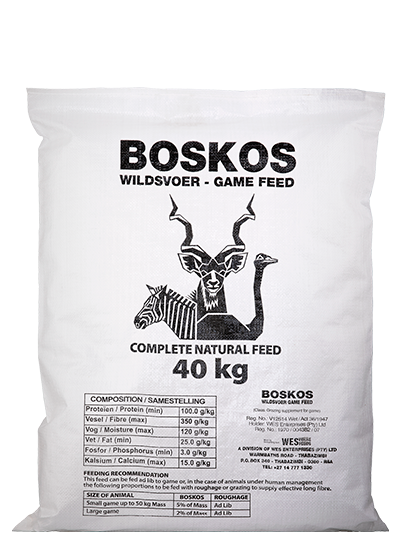
BOSKOS helps bridge this gap with feeding options for grazing and browsing herbivores. Built around PREBICEL™ Acacia functional fibre, the range can form part of a consistent, species-appropriate feeding programme when natural grazing and browse are limited.

Zoos
Consistent feeding options for herbivore collections, with product information to support feeding programmes and procurement planning.

Safari parks
Bulk feed for managed herbivore populations where access to natural grazing and browse may be limited.

Wildlife reserves and sanctuaries
Feeding options for rescued, rehabilitating and long-term care herbivores, selected according to their species and individual dietary needs.
Why BOSKOS works
- ✓
Feeds for different herbivores: BOSKOS Browser and Grazer are developed for different feeding types, while BOSKOS Mulch provides a complementary option.
- ✓
Acacia functional fibre: PREBICEL™ is made from the whole acacia plant, bringing together the fibre properties of its leaves, fine branches and woody stems.
- ✓
Consistent formulations: Fixed-formulation feeding options help support planned feeding routines, subject to the needs of individual species.
- ✓
Informed feeding decisions: Product selection and feeding quantities should be based on species requirements, available roughage and appropriate professional dietary guidance.